I have spent years working as a call-out plumber around Northampton, mostly dealing with the jobs people never planned for. I mean split pipes under kitchen sinks, toilets backing up before guests arrive, boilers losing pressure on cold evenings, and leaks that start as a stain on the ceiling. I write from the van, so to speak, because emergency plumbing looks different when you are the one turning up with wet knees, a torch, and a homeowner standing nearby with a towel in each hand.
The First Ten Minutes Usually Decide the Damage
The first thing I ask on an emergency call is not about the brand of tap or the age of the boiler. I ask where the stopcock is, whether water is still running, and whether any electrics are close to the leak. Those first 10 minutes can keep a small repair from turning into a damaged ceiling, swollen flooring, and a very long night.
Northampton homes vary more than people think. I have worked in Victorian terraces near The Mounts, newer estates around Duston, and student lets where six people share one small bathroom. The plumbing layout changes from house to house, but the panic sounds the same. Water does not wait.
A customer last winter had a pipe split behind a washing machine after a cold snap. By the time I arrived, the kitchen floor had a shallow layer of water, but they had already found the stopcock under the sink and turned it off. That one action probably saved the cabinets. I still had to cut out a damaged section and replace fittings, yet the job stayed controlled.
I often tell people to learn two things before they need me. Know where the main stopcock is, and know how to isolate toilets, taps, and appliances if separate valves are fitted. It sounds dull until water starts coming through a ceiling at midnight. Then it feels like the most useful bit of home knowledge you have.
What I Look For Before I Start Pulling Things Apart
Once I get through the door, I try to slow the situation down. A rushed plumber can miss the real source of the problem, especially when water has travelled along joists, pipe boxing, or plasterboard. I have seen leaks appear in one room while the fault sat 12 feet away behind a bath panel.
For homeowners who need help fast, I often say that a proper emergency plumber in Northampton should do more than turn up with a wrench and guess. They should isolate the problem, explain what they are checking, and make the area safe before chasing the repair. I have been called to jobs where the first fix failed because nobody checked the pipe run properly.
I start with visible clues, then work backwards. Fresh water marks, pressure drops, damp smells, noisy pipework, and boiler error codes all tell part of the story. On one call in Abington, the homeowner thought the upstairs shower tray had failed, but the real issue was a loose compression fitting behind a boxed-in pipe. The ceiling stain made the shower look guilty.
Good emergency work is part repair and part restraint. I do not rip out a panel just because I can, and I do not replace a part before I have a fair reason. Sometimes a two-pound washer has caused the drama. Other times, the cleanest repair means cutting access and making a permanent fix instead of hiding trouble behind sealant.
Boiler Breakdowns Feel Urgent for a Different Reason
A leaking pipe causes visible stress, but a dead boiler changes the feel of a house. I have walked into homes with children in coats, older couples worried about a cold night, and tenants who have already tried every reset button they can find. Heating and hot water are not small comforts in January.
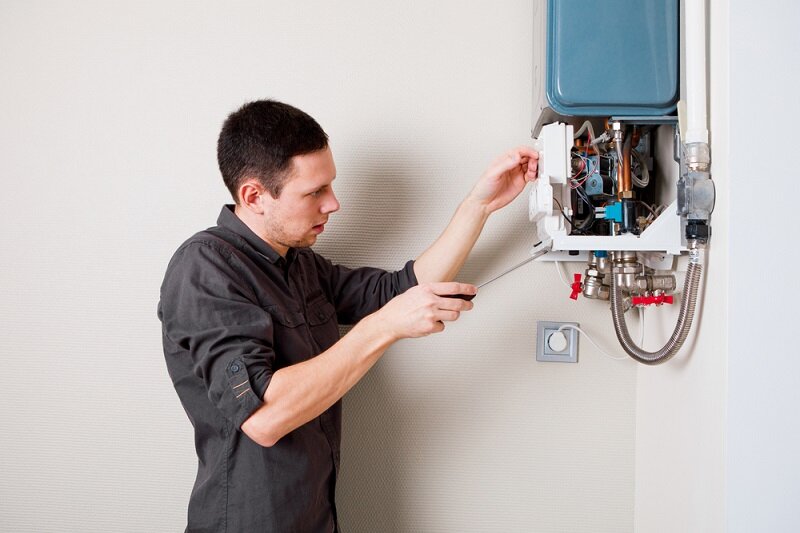
With boilers, I stay careful about the line between plumbing and gas work. I can deal with pressure loss, visible water leaks, faulty filling loops, radiator issues, and some external controls, but gas work needs a properly qualified Gas Safe registered engineer. That line matters. No decent tradesperson should blur it to sound more capable.
A common emergency call is a boiler that keeps losing pressure. Sometimes the problem is a leaking radiator valve downstairs, and sometimes water is escaping through the pressure relief pipe outside. I remember a call near Kingsthorpe where the owner had topped up the system 4 times in one week. The leak was small, but the pattern told me it needed tracing rather than another top-up.
Boiler problems also show why clear questions help. I usually ask whether the pressure gauge has dropped, whether any radiators are cold, whether there is an error code, and whether hot water still works at the taps. Those answers can save 20 minutes on site. They can also help me bring the right parts from the van.
Blocked Toilets and Drains Need a Calm Head
Blocked toilets are some of the most awkward emergency calls because people are embarrassed before I even arrive. I have seen family bathrooms out of use, downstairs toilets overflowing, and restaurant washrooms that needed attention before evening service. Nobody enjoys that call, but it is normal work for a plumber.
The mistake I see most is repeated flushing. If the water has already risen once, flushing again usually makes the mess worse. I have walked into bathrooms where the floor was soaked because someone hoped the second flush would clear it. It rarely does.
I begin by checking whether it is just one toilet, a group of fixtures, or a wider drainage issue. If a toilet, bath, and basin are all struggling, the problem may sit further along the waste line. In older Northampton properties, awkward pipe angles and past alterations can make blockages more likely. A quick plunge is not always enough.
Some blockages are simple. Too much paper, wipes, cotton pads, and small plastic items can all cause trouble. I pulled a toy from a toilet trap once after a tired parent had spent half a day blaming the pipework. The pipework was innocent that time.
Why Access Matters More Than People Expect
Emergency plumbing is harder when everything has been boxed in, tiled over, or sealed without a thought for future repairs. I understand why people want a neat finish. I also know that a hidden valve behind fixed joinery can turn a 30-minute repair into a messy search.
One flat I attended near the town centre had a concealed cistern with no proper access panel. The flush valve had failed, and water was running constantly into the pan. The tenant could hear it all night, and the landlord wanted it stopped quickly. I had to explain that the repair would be simple if we could actually reach the part.
I always prefer access panels, isolation valves, and clear routes to key fittings. They are not glamorous, but they make future emergencies cheaper and cleaner. Even a small removable panel under a bath can save tiles from being broken. That detail is easy to forget during a bathroom refit.
Homeowners sometimes apologise for clutter before I work under a sink or beside a boiler. I never mind moving a few bottles or towels. What slows me down is a valve that has been painted solid or a stopcock that has not turned in 15 years. I would rather find that out on a quiet afternoon than during a leak.
How I Talk About Price During a Call-Out
Emergency plumbing can feel expensive because it usually lands at the worst possible time. I try to be clear before I start, especially if the job may involve parts, extra labour, or damage that needs another trade later. Nobody likes surprise costs after a stressful leak.
There is a difference between stopping the emergency and finishing the permanent repair. I might cap a pipe, isolate a faulty appliance, or make a temporary safe fix so the home can function overnight. The full repair may need a part that is not on the van or access that makes more sense in daylight. That is not failure, it is honest staging.
I once attended a kitchen leak where the customer expected a single washer change. The pipework under the sink had been altered several times, with mismatched fittings and little support. I could stop the leak that evening, but I told them the waste and supply setup needed tidying later. They appreciated knowing the difference.
Clear pricing also depends on clear information. Photos help. A short video can help even more. If someone sends me a picture of the boiler gauge, the leaking valve, or the underside of the sink, I can often judge whether I am likely to need a common part or a more specific replacement.
Small Habits That Prevent Big Call-Outs
I make my living from plumbing emergencies, but I would still rather see people avoid the worst ones. A little maintenance catches many problems early. Check under sinks once a month, look at radiator valves before winter, and listen for toilets that keep filling after a flush.
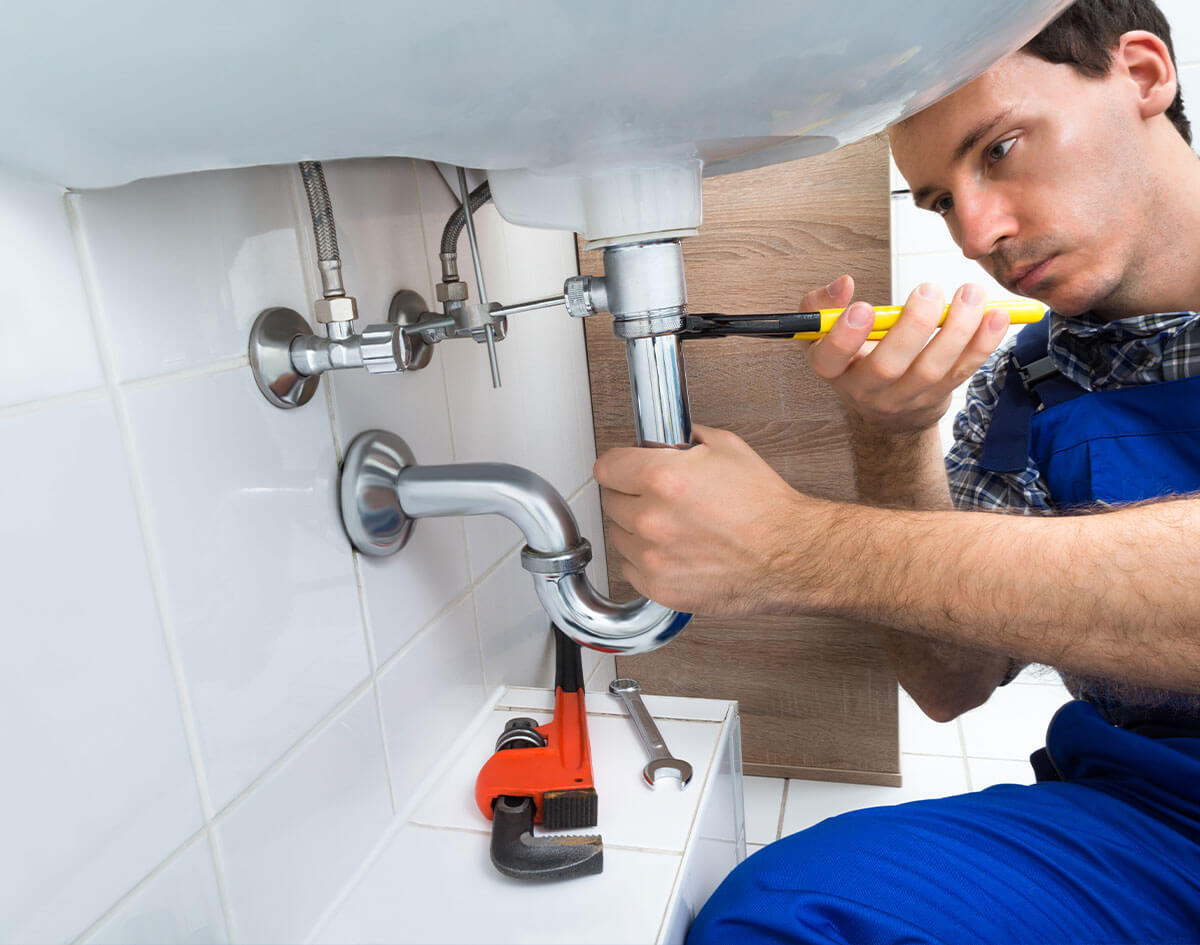
Flexible tap connectors deserve attention. I have replaced plenty that were bulging, rusty, or twisted too tightly. They are small parts, yet a failed one can release a surprising amount of water in a short time. If one looks worn, I do not ignore it.
Outside taps cause trouble after freezing weather. If the pipe has not been isolated and drained, it can split and only reveal itself when the thaw comes. I have seen homeowners discover the problem while washing a car on the first mild weekend. The water came through the kitchen wall instead of the hose.
I also tell people not to treat slow drains as background noise. A basin that gurgles for weeks is giving a warning. A shower that drains slowly every morning is doing the same. Waiting until it stops completely usually means the job will be messier.
The best emergency plumbing calls are the ones where the damage has been limited before I arrive, the homeowner knows roughly what happened, and I can get straight to the fault. Northampton has every kind of property, from old terraces with stubborn pipework to modern houses with neat plastic runs, so no two call-outs feel identical. If you learn where your valves are, act quickly when water appears, and call someone who explains the repair plainly, you give yourself a much better chance of ending the day with a fixed problem rather than a ruined room.





 One call that stays with me came in late one winter evening. A homeowner noticed their water pressure suddenly felt aggressive—faucets snapping shut louder than usual, hoses jerking when valves closed. By the time I arrived, the pressure-reducing valve had failed completely. The pipes hadn’t burst yet, but several joints were already strained. We shut the system down just in time. That job reinforced something I’ve seen repeatedly in Las Vegas: pressure problems don’t announce themselves with leaks until damage is already underway.
 Trenton homes—whether the older brick ranches or the newer two-story builds—tend to show their condition through the details, and cleaners are often the first to notice what those details mean.