I’ve spent more than ten years working as a licensed plumber in Southern Nevada, and I learned early on that 24/7 Emergency Plumber Las Vegas Licensed Plumbing Services isn’t a slogan—it’s a reflection of how this city actually lives. If you want to learn more about what that really means, it starts with understanding that emergencies here don’t wait for mornings, weekdays, or mild weather. They show up overnight, during triple-digit heat, or while someone is out of town assuming their home is fine. Most of the calls I take start with uncertainty rather than panic, but they don’t stay that way for long if the issue isn’t handled correctly.
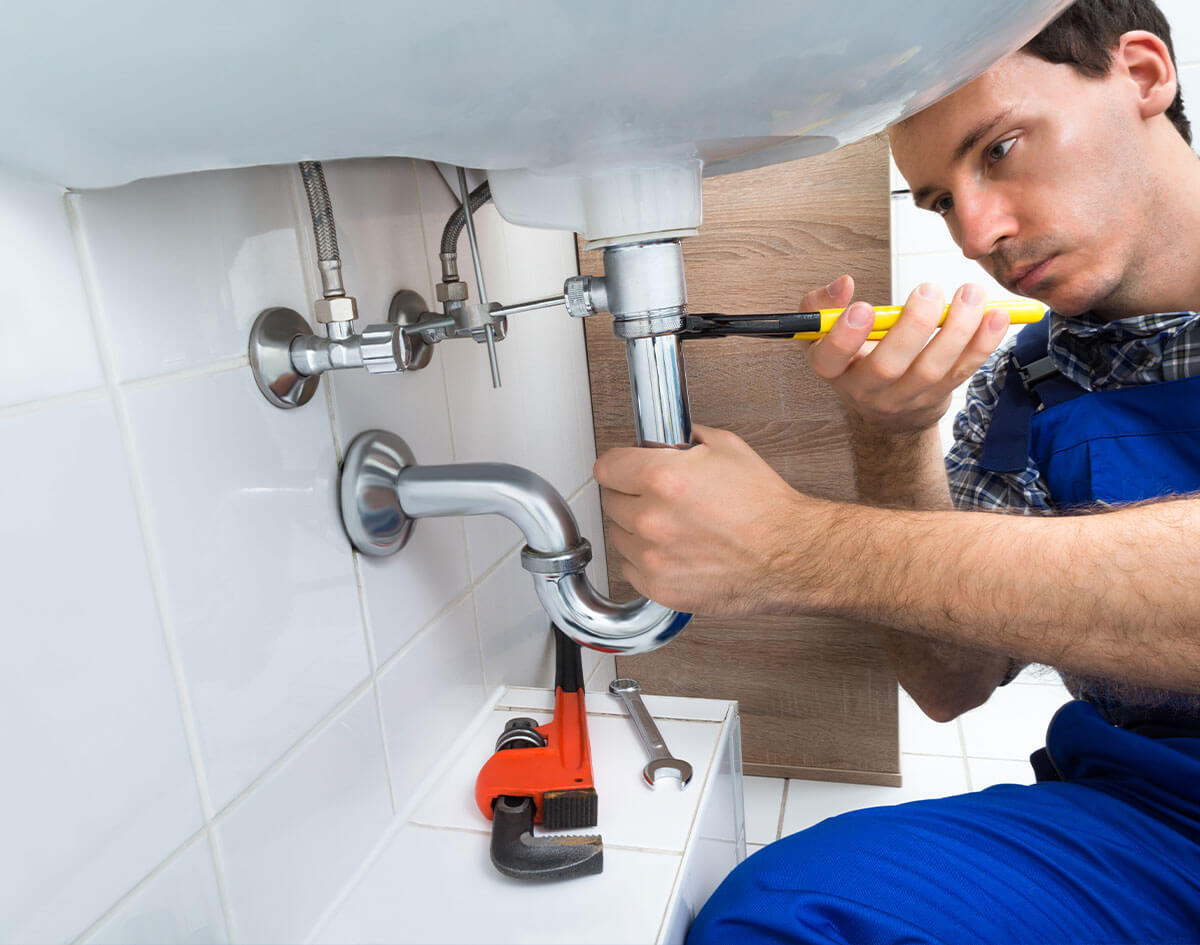 One call that stays with me came in late one winter evening. A homeowner noticed their water pressure suddenly felt aggressive—faucets snapping shut louder than usual, hoses jerking when valves closed. By the time I arrived, the pressure-reducing valve had failed completely. The pipes hadn’t burst yet, but several joints were already strained. We shut the system down just in time. That job reinforced something I’ve seen repeatedly in Las Vegas: pressure problems don’t announce themselves with leaks until damage is already underway.
Heat and hard water create their own brand of plumbing trouble here. I’ve opened water heaters during emergency calls and found heating elements buried under mineral scale so thick they couldn’t transfer heat anymore. To the homeowner, it felt like the unit “just stopped” overnight. In reality, it had been struggling quietly for months. Emergency plumbing often means dealing with long-term wear that finally crosses a breaking point, not sudden randomness.
Slab leaks are another situation unique to this area that many people underestimate. I’ve responded to calls where the only symptom was a warm patch on tile flooring or an unexplained spike in the water bill. One job last spring involved isolating a hot-water line beneath the slab before it undermined the foundation. We didn’t tear the house apart that night—we stopped the damage and stabilized the system. Knowing when to act aggressively and when to contain is part of real emergency judgment.
I’ve also seen how good intentions make emergencies worse. Homeowners forcing shutoff valves, overtightening fittings, or dumping chemical cleaners into backed-up drains often create secondary failures. One kitchen clog turned into cabinet damage after repeated chemical use softened a trap and caused a slow leak. By the time I arrived, the clog was manageable—the surrounding damage wasn’t.
Being licensed shapes how I approach every after-hours call. I’m accountable to Nevada code, pressure requirements, and inspection standards even at three in the morning. I’ve corrected rushed emergency repairs where someone stopped visible water flow but ignored the cause. In one case, a fitting installed backward during a late-night fix created pressure imbalance throughout the home. The leak was gone, but the system was still under stress, quietly setting up the next failure.
Commercial emergencies raise the stakes further. I’ve handled overnight calls in rental properties and small businesses where one plumbing issue affects multiple tenants or shuts down operations. Those situations demand calm troubleshooting—checking venting, confirming backflow protection, and making sure temporary fixes won’t collapse an hour after I leave. Speed matters, but discipline matters more.
Over the years, I’ve learned that not every emergency requires the most invasive solution right away. I’ve capped compromised lines, isolated fixtures, and stabilized systems so homeowners could make clear decisions later, without water actively causing damage. Experience teaches you which repairs will hold and which ones only buy minutes.
After years of late-night calls, hot garages, and quiet fixes no one notices once the water stops, my view is simple. True emergency plumbing in Las Vegas isn’t about rushing blindly or chasing worst-case scenarios. It’s about understanding how local systems behave under stress and knowing how to keep a bad moment from becoming a lasting problem. When the noise stops and the system settles, the job is done.