After more than ten years installing and replacing eavestrough systems across the GTA, I’ve learned that homeowners usually start thinking about rain gutters replacement only after repeated repairs stop working. By that point, the system has often reached the end of its useful life. In Toronto’s climate, that moment comes sooner than many expect.
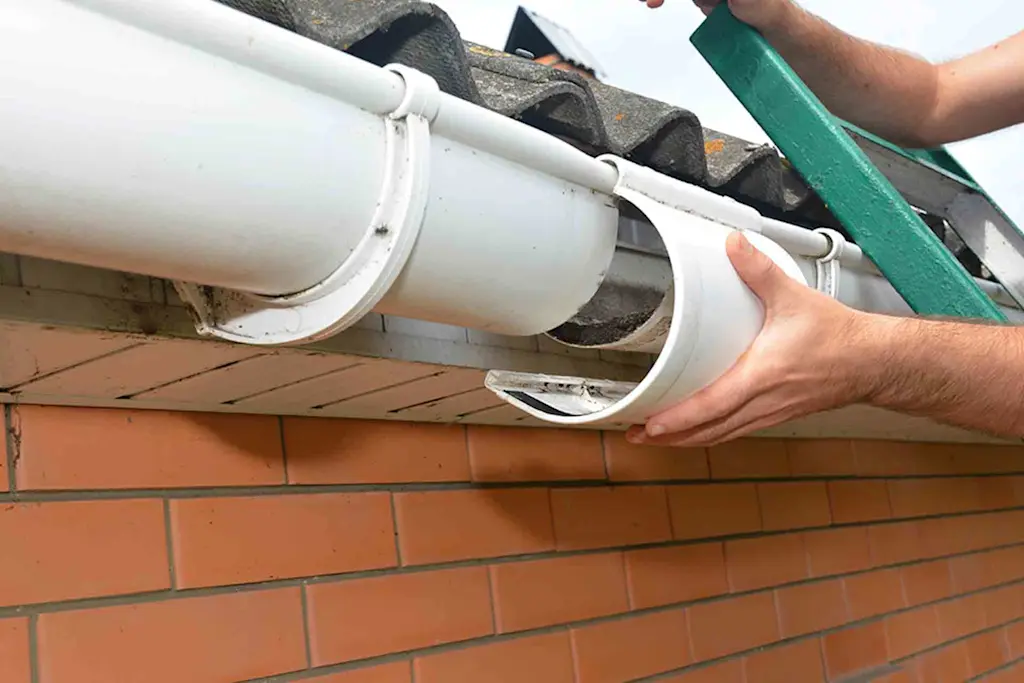
I’ve replaced gutters on homes that looked fine from the driveway. From the ground, the lines were straight and the color matched the trim. But once I climbed up, I could see seams separating, thin aluminum flexing under light pressure, and corrosion starting at multiple joints. When those issues show up in several places at once, repairs become a temporary bandage rather than a solution.
One project last summer involved a two-storey home where I had previously repaired a corner leak. The fix held for a while, but during a heavy storm the following season, water overflowed along a different section. After inspecting the full run, I realized the original installation used short sectional pieces with too many seams. Each seam is a potential failure point, especially with Toronto’s freeze-thaw cycles. That homeowner decided on a full replacement using longer seamless aluminum runs. The difference in performance during the next rainfall was noticeable immediately.
In my experience, the biggest mistake people make is choosing materials based solely on price. I’ve removed inexpensive steel systems that rusted through far sooner than expected. On the other hand, I’ve also seen homeowners overpay for materials that didn’t match their home’s needs. For most houses in Toronto, properly installed seamless aluminum offers durability without unnecessary expense. It resists corrosion and handles seasonal expansion better than many alternatives.
Another situation that stands out involved a homeowner who delayed replacement because they thought sagging could be fixed indefinitely. I had reinforced sections twice over several years. Eventually, the fascia board itself began to deteriorate from chronic water exposure. Once wood rot sets in, the cost of the project increases significantly. We replaced both the damaged wood and the gutter system. Had they opted for replacement earlier, they would have avoided the added carpentry work.
Proper slope and hanger spacing are just as important as material choice. I’ve replaced brand-new systems installed by others that failed simply because they weren’t pitched correctly. Water pooled in the middle of long runs, froze in winter, and stressed the brackets. When I install a new system, I pay close attention to pitch and secure mounting. In Toronto winters, ice weight is no small factor.
Downspout placement is another detail that often gets overlooked during replacement. I once worked on a property where the original design discharged water too close to the foundation. Even though the gutters themselves weren’t leaking, basement moisture had become a recurring issue. During replacement, we adjusted downspout locations and extended discharge points away from the house. Solving that drainage pattern made a bigger impact than simply swapping metal.
From what I’ve seen over the years, the right time for rain gutters replacement is when multiple sections are failing, not just one. Replacing early can feel like a larger expense upfront, but it prevents repeated service calls and potential structural damage. In a city like Toronto, where heavy rain and harsh winters test every exterior component, investing in a properly designed and installed system pays off in long-term protection.
A well-executed replacement doesn’t just improve how a home looks from the street. It restores reliable water control, protects siding and fascia, and helps keep foundations dry through every season.