I’ve worked in HVAC Los Angeles ca for about ten years now, mostly on residential projects, with a mix of small apartment buildings and retail spaces. I’m a licensed C-20 contractor in California, and most of my days are spent dealing with systems that were either added as an afterthought or installed by someone who didn’t fully understand how Los Angeles homes behave. HVAC in this city isn’t difficult because of extreme weather—it’s challenging because of inconsistency: of climate, of architecture, and of expectations.
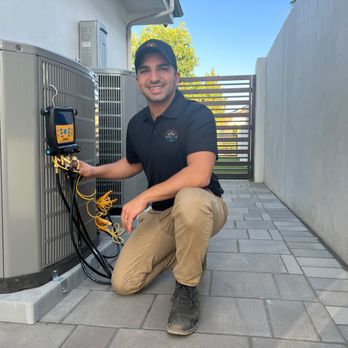
People often call me after they’ve already spent several thousand dollars and still aren’t comfortable. That’s usually where the real lessons are.
Los Angeles Is Not One Climate, Even on the Same Street
One of the first things I explain to homeowners is that Los Angeles doesn’t have a single HVAC profile. I’ve serviced two houses on the same block where one needed serious cooling capacity and the other barely ran their system during summer. Orientation, shade, ceiling height, and insulation matter more here than people expect.
A customer last summer lived in a split-level home with large west-facing windows. Their system was technically “big enough,” but the late afternoon heat load overwhelmed it every day around 4 p.m. The original installer had sized the unit correctly on paper but ignored solar gain entirely. We ended up adding better return placement and addressing airflow in that part of the house. The equipment stayed the same, but comfort improved immediately.
That kind of fix only happens if someone actually spends time in the house, not just measuring square footage.
Older Homes Are the Rule, Not the Exception
Much of my work involves homes built long before central air was standard. Craftsman houses, Spanish-style homes, mid-century builds—they all come with quirks. I’ve crawled through attics with framing that leaves no room for modern duct runs and opened walls where nothing is straight or symmetrical.
One project that still stands out involved a 1940s home where a previous contractor ran undersized flex duct through sharp bends just to make it fit. Every room had hot and cold spots. The homeowner thought they needed a new system. In reality, the unit was fine. The ductwork was choking it. Reworking the ducts cost real money, but it solved a problem that had frustrated them for years.
This is where I often advise against quick change-outs. Swapping equipment without addressing the bones of the system usually leads to disappointment.
Heat Pumps Work Well Here, If They’re Installed Thoughtfully
I’m generally in favor of heat pumps for Los Angeles homes. The climate supports them, and I’ve seen well-installed systems perform quietly and efficiently year-round. I’ve also seen heat pumps blamed for problems caused by poor setup.
One homeowner called me in winter because their new heat pump felt weak. The issue wasn’t capacity—it was airflow and controls. The installer had left the system running with factory settings and never balanced the registers. Once we corrected that, the home heated evenly, even on colder nights.
I don’t recommend heat pumps blindly, but I do push back when people dismiss them based on bad secondhand stories. Most of those stories trace back to installation shortcuts.
Ductwork Is the Uncomfortable Conversation
If there’s one part of HVAC that Los Angeles homeowners don’t want to hear about, it’s ductwork. I’ve had plenty of conversations where someone wanted to know why their brand-new system didn’t lower their bill. In many cases, the ducts were leaking into the attic or sized for a system installed decades ago.
I worked on a home not long ago where replacing the ducts reduced run times so much that the homeowner thought the system was broken because it wasn’t running as often. That’s how accustomed they’d become to inefficiency.
I don’t push duct replacement unless it’s justified, but I’ve learned to be honest about it early. Ignoring ducts almost always costs more over time.
Mini-Splits and Zoning Solve Specific Problems, Not All of Them
Los Angeles homes often have additions, converted garages, or bonus rooms that never made sense for the original HVAC design. I’ve had good results using ductless mini-splits in those situations. They’re especially effective for rooms that only need conditioning part of the day.
I’m more cautious with zoning. I’ve been called to fix zoned systems that were installed without considering static pressure or duct design. Zoning can work well, but only if the system was built for it from the start. Adding it as an upsell rarely ends well.
Mistakes I See Repeatedly
After years in the field, the same patterns show up again and again. Homeowners chase equipment upgrades instead of solving airflow problems. Contractors oversize systems to avoid complaints, which leads to humidity issues and short cycling. Someone skips testing because “it feels fine.”
Most HVAC problems in Los Angeles aren’t dramatic failures. They’re slow discomforts—uneven rooms, higher bills, systems that run constantly without delivering real comfort.
What I’d Do If It Were My Own House
If I were making HVAC decisions in Los Angeles today, I’d focus less on brand names and more on how the system is designed for the house itself. I’d want to know how airflow is being measured, whether the ductwork actually supports the equipment, and how the system will be set up once it’s running.
I’ve seen modest systems outperform expensive ones simply because they were installed with care and restraint. That’s the quiet truth about HVAC in Los Angeles. The best systems don’t draw attention to themselves. They just keep the house comfortable, even when the weather and the house itself don’t make that easy.