As someone who has spent more than a decade working as a digital content manager and document workflow specialist, I’ve relied on a good file converter more times than I can count. The keyword might sound simple, but in practice, a file converter often becomes the quiet tool that keeps projects moving when formats refuse to cooperate. Early in my career, I underestimated how often different file types would collide in real projects, and learning to handle those moments quickly became an essential part of my work.
The first time I realized how critical a file converter could be happened during a project for a small marketing team. They had prepared an entire presentation in one format, only to discover that the client’s system couldn’t open it properly. Fonts were missing, images were misaligned, and the layout looked completely different on their end. We were only hours away from sending the final version. I ended up using a file converter to switch the presentation into a more universal format that preserved the design. That small decision saved the project from a frustrating round of revisions.
Over the years, I’ve noticed that most people encounter file conversion issues unexpectedly. Someone receives a document they can’t open, or a platform demands a specific format before allowing uploads. A designer might export an image in a format that works perfectly for editing but fails on a website. In those moments, the right file converter makes the difference between a quick fix and a long afternoon of troubleshooting.
In my experience, one of the most common situations involves document formats. I’ve worked with writers and administrators who regularly send documents between different systems, and those systems rarely agree on formatting standards. A file converter becomes essential when turning editable files into shareable versions that look the same on every device. I remember helping a colleague who had written a lengthy report that looked flawless on her computer. When she emailed it to her supervisor, the spacing and alignment shifted everywhere. Converting the document into a more stable format fixed the issue immediately and prevented further editing problems.
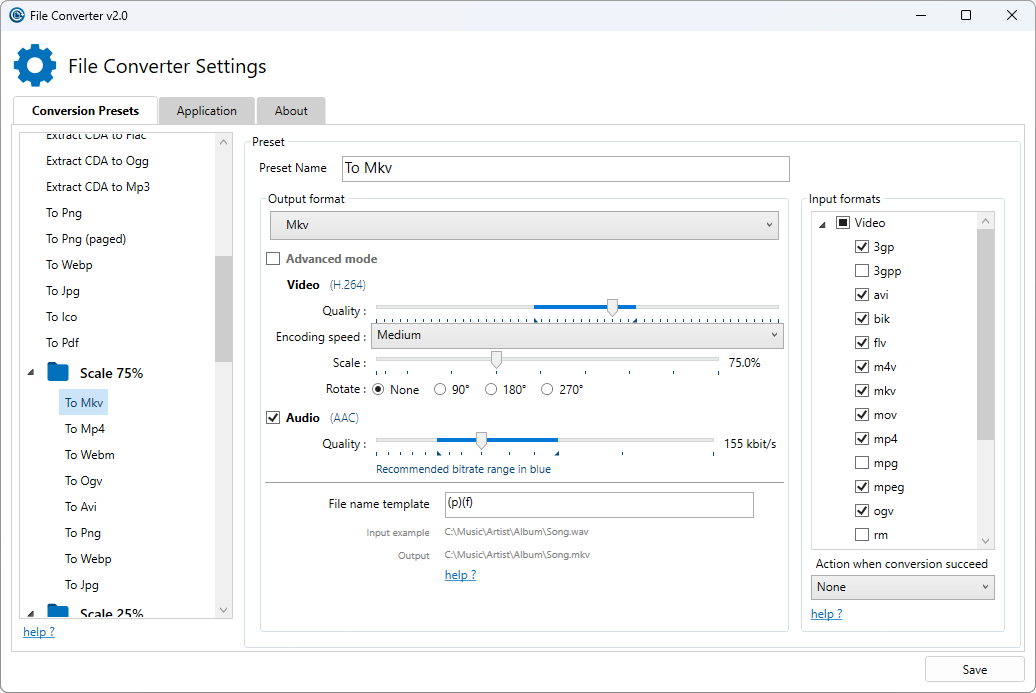
Another moment that stands out happened during a content migration project several years ago. We had a large archive of images saved in an outdated format that modern platforms struggled to recognize. Manually recreating those files would have taken weeks. Instead, I used a batch file converter capable of handling dozens of files at once. Watching hundreds of images transform into compatible formats in a single session felt like recovering lost time. Experiences like that made me appreciate how much effort a well-built converter can save.
That said, I’ve also seen people run into trouble by choosing the wrong conversion tool. Some converters sacrifice quality during the process, especially with images, audio, or video. I’ve opened converted graphics that suddenly looked blurry or oddly compressed because the software didn’t preserve the original resolution. In other cases, formatting within documents can shift subtly, leaving headings misaligned or fonts replaced with generic substitutes. These issues usually appear when someone rushes through the process without previewing the results.
A good file converter should maintain the integrity of the original file as closely as possible. Over the years, I’ve learned to test conversions carefully, especially when dealing with complex layouts or media files. For instance, converting a simple text document rarely causes trouble, but converting a design-heavy PDF or a large video file requires a bit more attention. The best tools handle those situations gracefully without stripping away important elements.
What continues to surprise many people is how often file compatibility issues arise in routine work. A writer shares a manuscript in one format, a client requests it in another, and a publishing system demands something entirely different. A file converter becomes the bridge between those environments, quietly translating one format into another so work can continue without interruption.
After years of managing digital files across multiple platforms and teams, I’ve come to see file converters as one of the most practical tools in modern workflows. They solve problems that appear suddenly and often without warning. Whether converting documents, images, or media files, the ability to adapt formats quickly keeps projects moving forward instead of getting stuck on technical limitations.